

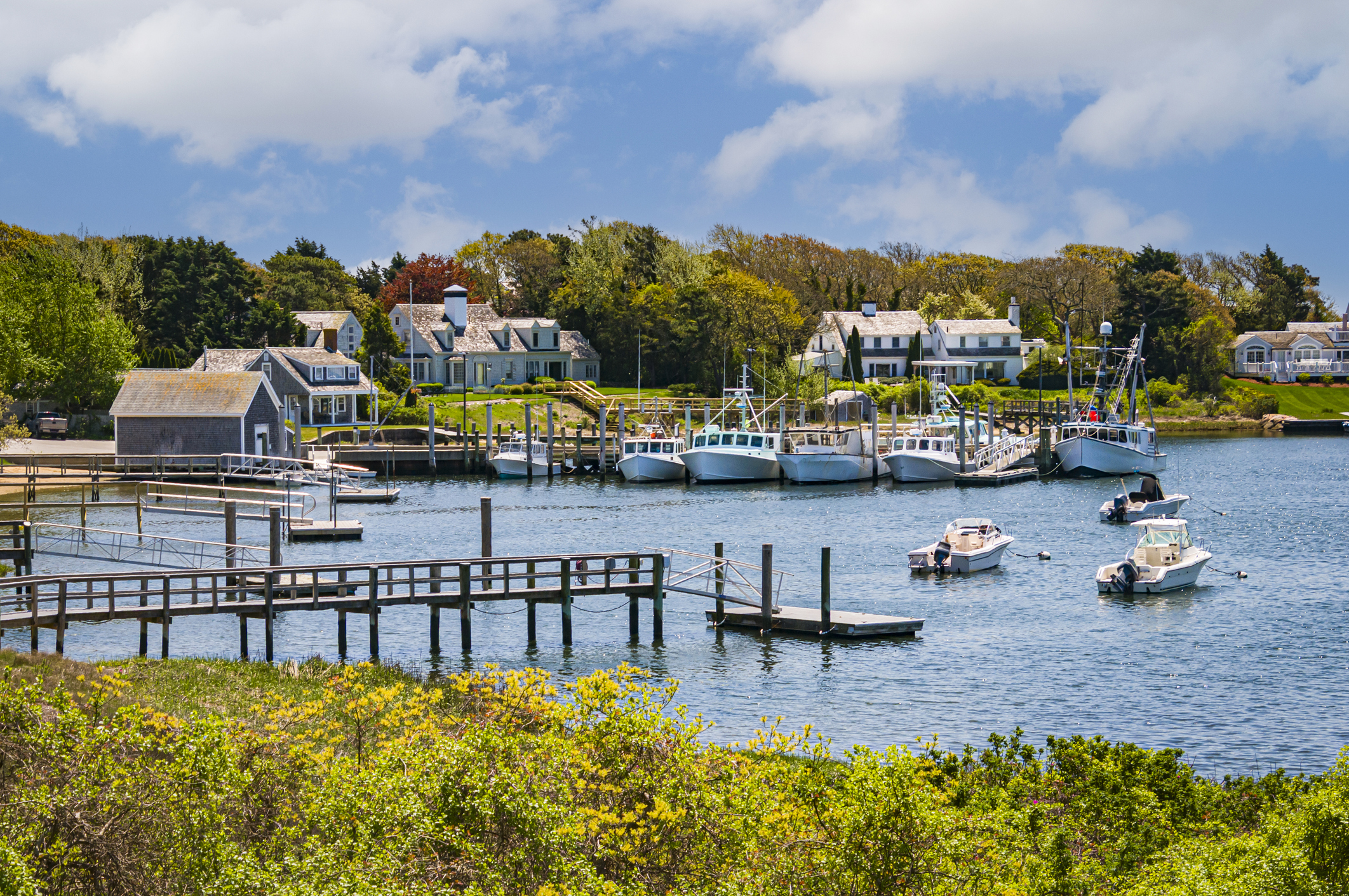
Cape Cod stands apart for its close connection between waterfront homes, working harbors, and established coastal neighborhoods.
While many beach towns are built around lively boardwalks, dense commercial strips, and high-rise oceanfronts, Cape Cod follows a different pattern. Its landscape is shaped by quiet salt marshes, historic village greens, and miles of open shoreline. Rather than forming one continuous resort strip, the Cape encompasses 15 distinct towns and dozens of small villages—each with its own character and sense of community.
Whether your dream is open ocean surf, a quiet tidal creek, or a vibrant year-round town center, finding your place here starts with understanding what makes the Cape so unique.
| Table of Contents |
Four regions, four different coastal experiences
When you look at homes for sale in Cape Cod, you’ll find that the area brings together many different coastal lifestyles. The peninsula is split into four distinct sections, each carrying its own waterfront personality:
- The Upper Cape offers the most direct mainland access and the shortest commute. Bourne, Sandwich, Falmouth, and Mashpee sit right by the Sagamore and Bourne bridges, which cut down driving time toward Boston or Providence while keeping you close to Wakeby Pond, Vineyard Sound, and Buzzards Bay.
- The Mid Cape has the highest concentration of everyday services and central connection points. The towns of Barnstable, Yarmouth, or Dennis keep you within a short drive of Cape Cod Hospital, the commercial strip on Route 132, and the Hyannis ferries to Nantucket and Martha’s Vineyard.
- The Lower Cape gives you the widest variety of waterfront settings within a classic, spread-out coastal landscape. Positioned around the peninsula’s elbow, Brewster, Harwich, Chatham, and Orleans provide easy access to the calm tidal flats of Cape Cod Bay, sheltered waters such as Pleasant Bay, and the Atlantic surf at Nauset Beach.
- The Outer Cape offers low-density living and immediate access to undeveloped land. Because Eastham, Wellfleet, Truro, and Provincetown are largely surrounded by the protected Cape Cod National Seashore, building in the area is naturally limited, preserving a quiet, open setting across the north end of the peninsula.
Miles of preserved land, easy everyday access
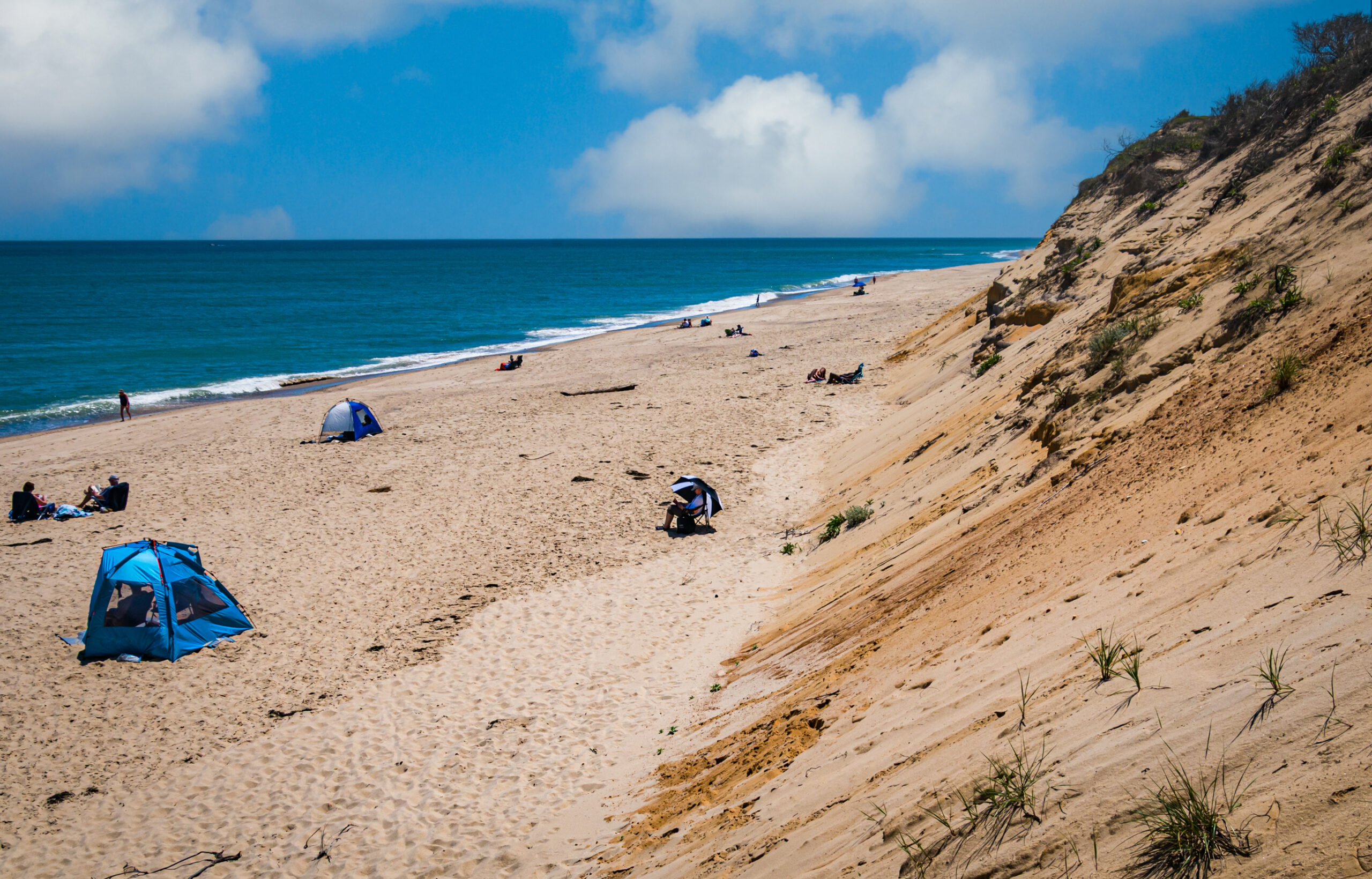
Cape Cod’s preserved dunes and open beaches give the coastline a less developed, more natural character.
One of the best parts about living in Cape Cod is that over a third of the peninsula is protected land. That means many neighborhoods are just minutes from conserved beaches, quiet pine forests, and open salt marshes that help preserve the Cape’s natural character.
That commitment to preserving open space is especially visible on the Outer Cape, where the Cape Cod National Seashore protects roughly 40 miles of coastline. Farther up the peninsula, the landscape shifts to state parks and scenic greenways, from the freshwater swimming ponds at Nickerson State Park in Brewster to the paved Cape Cod Rail Trail stretching from South Dennis to Wellfleet. Even close to the Cape’s village centers, you’ll find conservation trails, marsh boardwalks, and public boat launches.
With so much open space built into the peninsula, getting outdoors fits effortlessly into your everyday life—whether that means a backyard bordering quiet town woods or a path to the beach right down the street.
Historic village centers built for year-round living
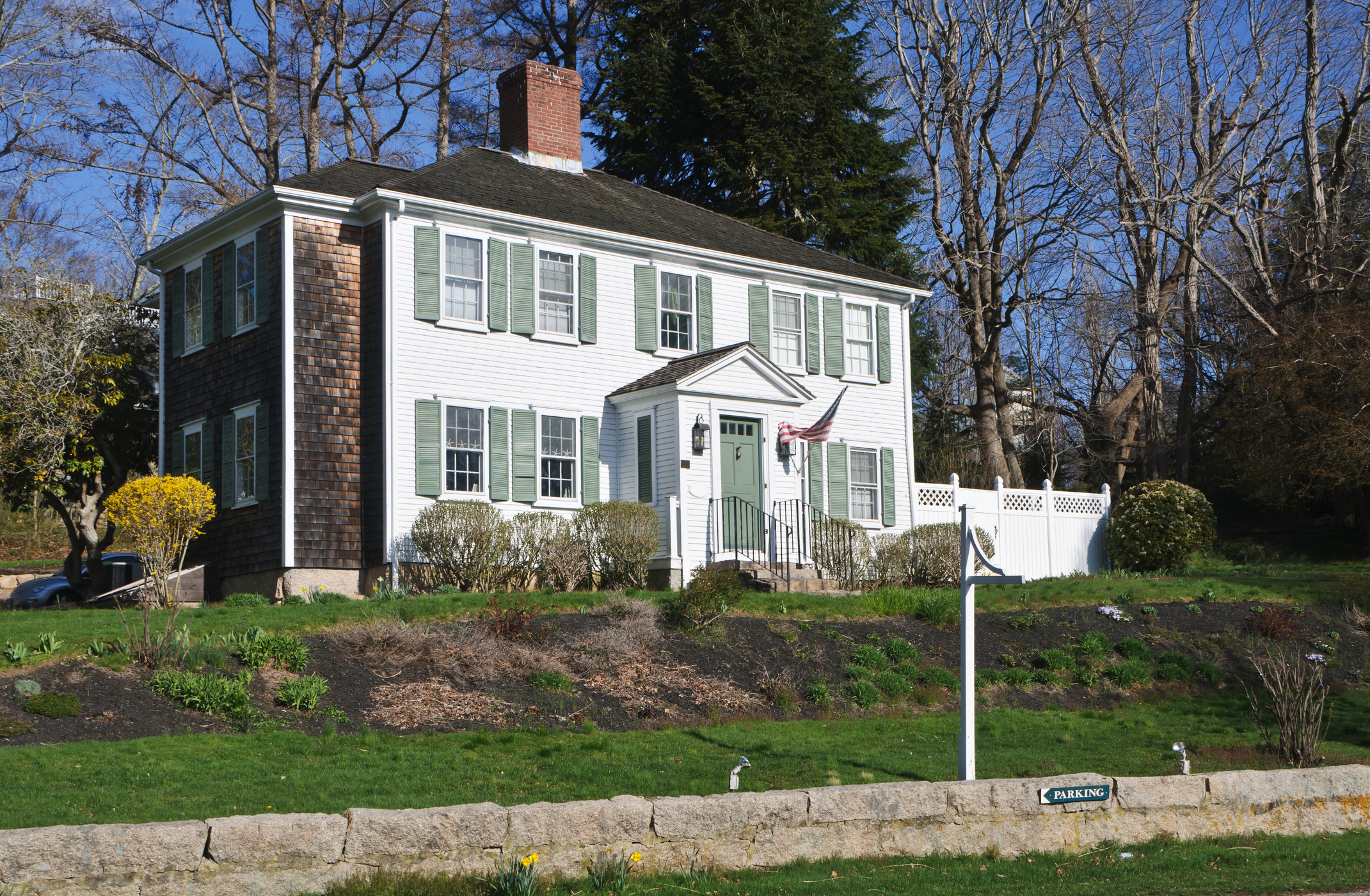
Cape Cod’s historic homes give its communities a sense of permanence that many newer beach towns lack.
Unlike modern beach towns built strictly for summer vacationers, Cape Cod’s communities developed over hundreds of years around working harbors and village greens—central public lawns bordered by historic town halls, churches, and shops. That long history gives the peninsula a grounded, lived-in feel from the moment you cross the bridges.
Historic streets still preserve low-profile 18th-century Cape Cod homes, cedar-shingled cottages, and 19th-century sea captains’ estates in areas like Yarmouth Port’s Captains’ Mile and Brewster’s Captain Elijah Cobb House. Across 22 designated historic districts, towns strictly protect this streetscape, keeping the original architecture intact.
Just steps from these neighborhoods, working harbors in Wellfleet, Osterville, and Barnstable remain active hubs where local fishing fleets unload the daily catch, oyster farmers work the tides, and ferries run year-round.
Because these villages developed around permanent centers rather than seasonal subdivisions, year-round community infrastructure thrives here. Local routines naturally center on weekly events like the Osterville Farmers Market, free concert series on town greens, library workshops, and year-round cultural hubs like the Provincetown Art Association and Museum or Falmouth’s Highfield Hall.
Read more: Is buying a second home on Cape Cod still worth it?
A four-season calendar that brings built-in variety to everyday life
Living in Cape Cod means you never get stuck in a single routine, as each season opens up completely different ways to enjoy the peninsula.
- In the summer, local life revolves around the water and the outdoors. Long days mean paddleboarding on Scorton Creek, grabbing lunch at Sesuit Harbor Cafe, catching a Friday night concert on the Chatham Town Green, and watching a Cape Cod Baseball League game at Eldredge Park.
- In the fall, ocean waters stay warm well past Labor Day even as the summer crowds head home. With traffic cleared out, days center on quiet beach walks, striped bass fishing at Sandy Neck Beach, and local traditions like the Wellfleet OysterFest.
- In the winter, the Cape slows down to a quiet pace while local grocery stores, schools, and neighborhood spots stay open. Days center on cool trail walks through Sandy Neck Beach Park, dinner by the fireplace at the historic Wayside Inn, and browsing galleries along Route 6A in Dennis.
- In the spring, local spots open back up as the weather warms. Kayakers return to the Bass River, families head to Stony Brook Gristmill and Museum to watch the annual herring run, and towns mark the start of the season with events like the Brewster in Bloom 3-Day Festival.
FAQsHow difficult is it to travel on and off Cape Cod? Travel is simple most of the year, though summer weekends see heavier traffic at the Bourne and Sagamore bridges. Buyers who travel to the mainland frequently often prefer the Upper Cape for the quickest drive. Do homes for sale in Cape Cod have private beach access? Not automatically—some properties include private deeded beach rights, while others rely on town beaches that require resident parking permits. You should always review the property deed and association rules to confirm exact beach access before buying. Are there walkable communities in Cape Cod? Yes, village centers like Chatham, Falmouth, and Provincetown let you walk to local shops, restaurants, and harbors. However, most residential neighborhoods across the Cape still require a short drive for groceries, school, and daily errands. How competitive is the market for homes for sale in Cape Cod? The market remains competitive, with homes selling quickly when they are priced right and located near the water or village centers. In mid-2026, homes sold in a median of 37 days for about 99% of their asking price. Are homes for sale in Cape Cod practical for families with children? Yes, many towns offer strong public schools, local playgrounds, sports leagues, and reliable year-round services for families. Practicality comes down to location, so it helps to check the specific school district and drive time to daily errands for each neighborhood. |
Finding your place in Cape Cod
The secret to finding the right home on Cape Cod is understanding that no two villages offer quite the same lifestyle. The best fit ultimately comes down to how you want to spend your time here. As local Cape Cod real estate agents guiding buyers across these coastal towns since 1985, our team at TODAY Real Estate is here to make that search as straightforward as possible.
When you’re ready to compare neighborhoods or look at listings, reach out to Craig Machnik and our local team via email or head over to our contact page. We’d love to help you get started.