

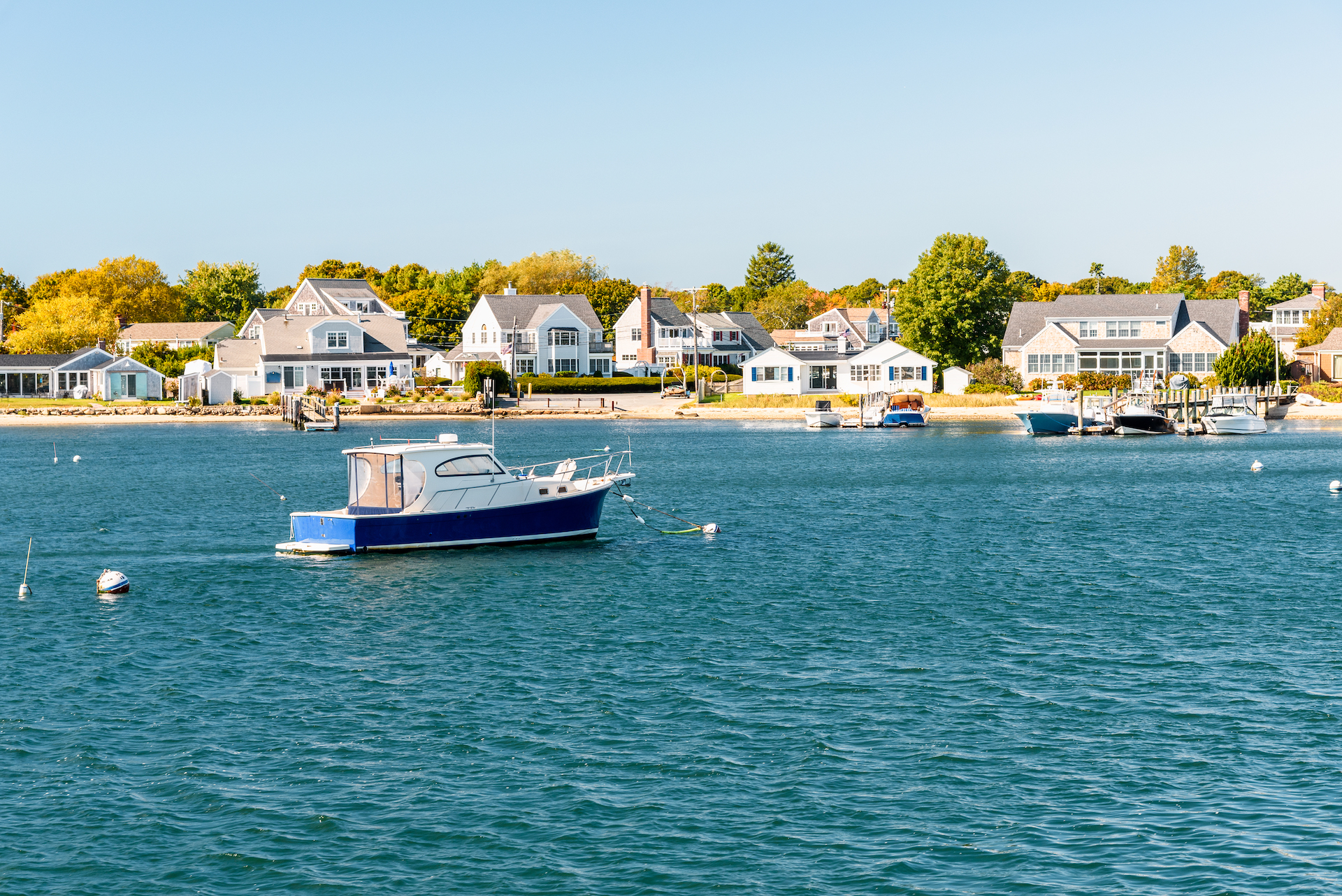
Cape Cod’s waterfront neighborhoods combine coastal homes, marinas, and established communities that continue to attract second-home buyers.
For generations, Cape Cod has been one of America’s most iconic vacation home destinations, attracting prominent families and affluent buyers with its seaside villages, sandy beaches, and understated elegance. But with today’s market presenting new opportunities and considerations, is buying a second home on Cape Cod still worth it?
The short answer is yes—if you choose thoughtfully and plan for the long term. Owning a home on Cape Cod still offers the opportunity to build that lasting connection, whether for summer escapes or spontaneous weekends by the water. Over the years, Cape Cod real estate has also shown resilience as an investment, with the potential to generate seasonal rental income, serve as a future retirement retreat, and offer strong long-term appreciation.
Table of Contents:
Why do buyers continue to choose Cape Cod for a second home?
While the real estate market has settled from the extraordinary pace of the early 2020s, demand for homes for sale in Cape Cod remains steady. According to the Cape Cod & Islands Association of REALTORS® (CCIAOR), pending sales increased significantly year over year in April 2026. Average sales price in 2025 was up 4.5% from 2024, indicating that buyer demand remains strong across the peninsula.
Meanwhile, Mass.gov reports that 25% of all homes on the Cape are earmarked for seasonal or occasional use, and one in ten homes is a short-term rental.
What’s behind the Cape’s enduring appeal as a second home destination? Here’s a look at some of the factors:
Classic coastal lifestyle
Cape Cod combines classic coastal charm with practical long-term flexibility. Beaches, boating, village centers, golf, and generations of vacation traditions make the Cape a place owners want to return to, not simply an investment they hold from a distance.
Variety of communities and experiences
The Cape’s 15 towns give buyers an array of choices. Some prioritize easier bridge access for frequent weekend trips, while others prefer quieter communities farther down the peninsula. Depending on the location, homes for sale on Cape Cod offer walkability, waterfront access, historic character, ferry service, or year-round conveniences.
Flexibility, scarcity, and long-term value
A Cape home can also serve several purposes over time: a private retreat, a seasonal rental, a family gathering place, or an eventual retirement residence. Millions of annual visitors support a strong vacation economy, while limited land and enduring demand help well-chosen properties retain their appeal. These advantages continue to make Cape Cod attractive to buyers who understand the costs and choose a home that fits their long-term plans.
What should you consider before purchasing?
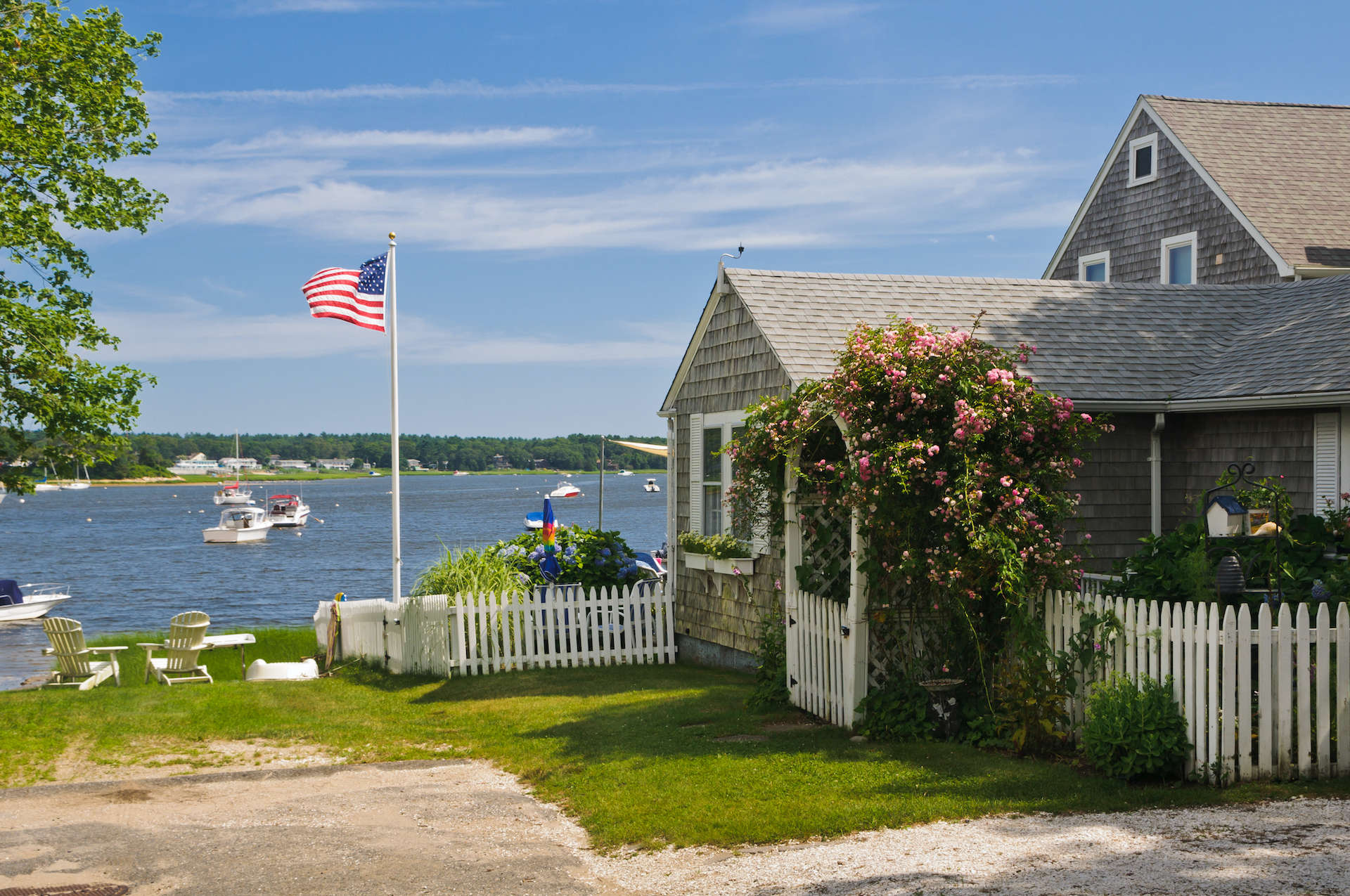
A waterfront setting can be appealing, but buyers should also account for insurance, maintenance, and other ongoing ownership costs.
When looking at homes for sale on Cape Cod, it is important to look beyond the coastal lifestyle and consider how the property will fit your finances, priorities, and long-term plans.
Housing market
Cape Cod’s housing market remains active, although conditions vary by town and property type. Active inventory was nearly unchanged from April 2025, but the overall supply of homes remains well below pre-pandemic levels. Smaller and mid-priced single-family homes are especially scarce, which can limit the options available to second-home buyers in more accessible price ranges.
Availability of homes for sale in Cape Cod still varies by town, property type, and proximity to the water. Popular village and waterfront locations may attract stronger competition, while other areas can give buyers more time to compare properties.
Purchase price and ongoing ownership costs
The purchase price is only one part of owning a second home.
Additional expenses may include:
- Mortgage financing for a second home
- Property taxes
- Homeowners and flood insurance, where applicable
- Seasonal maintenance
- Utilities
- Landscaping and exterior upkeep
Factoring in these expenses upfront can help buyers budget more realistically.
Rental income opportunities
Some buyers choose to rent their property during peak vacation months to help offset ownership expenses. Cape Cod continues to attract seasonal visitors, making short-term rentals a consideration for owners who won’t occupy the home year-round.
Vacation rental performance varies by location and season. For example, AirDNA reports that active short-term rentals in Barnstable averaged about $29,900 in annual revenue, with 56% occupancy and an average daily rate of $668 over the 12 months ending in June 2026. While individual properties may perform differently, the data illustrates the area’s continued demand for vacation rentals.
Rental income can help offset ownership costs, although it shouldn’t be the only consideration when evaluating a second-home purchase. Local short-term rental regulations, property management costs, maintenance, and seasonal occupancy all influence a home’s earning potential.
Choosing the right town
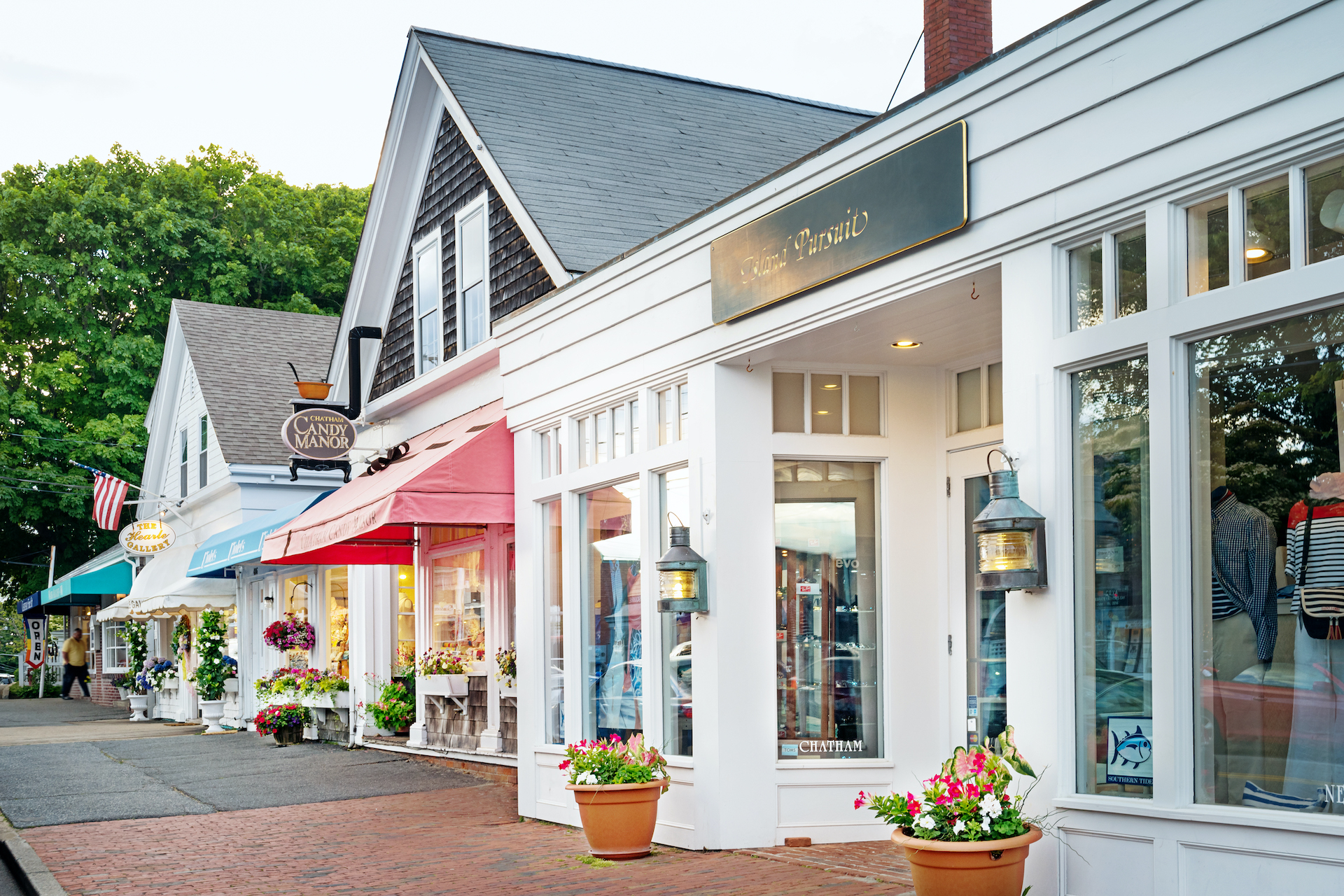
Each Cape Cod town offers a different mix of waterfront access, neighborhood character, and everyday amenities.
The right town shapes how buyers use a second home. Cape Cod is divided into four regions, each with a different mix of amenities, beaches, residential settings, and distance from the mainland:
- Upper Cape: Bourne, Sandwich, Falmouth, and Mashpee offer the easiest mainland access.
- Mid Cape: Barnstable, Yarmouth, and Dennis provide central access to shopping, healthcare, and ferry service.
- Lower Cape: Brewster, Harwich, Chatham, and Orleans offer varied waterfront settings and established village centers.
- Outer Cape: Eastham, Wellfleet, Truro, and Provincetown feature lower-density communities and extensive access to protected coastal land.
Access and beach rules
Travel time matters for buyers who expect to visit often. Upper Cape towns such as Bourne and Sandwich offer the quickest access from the mainland, while communities farther along the peninsula require a longer drive.
Beach access is another factor that’s easy to overlook until after closing. Many Cape Cod towns manage their beaches differently, with separate rules for resident stickers, parking permits, visitor passes, or seasonal fees. Buyers who expect to spend much of their time at the beach should understand how those policies work before narrowing their search.
When does buying a second home on Cape Cod make sense?
A second home tends to make sense when it supports clear, long-term plans. Frequent visitors may value having a property available throughout the year, while future retirees may buy early and use the home before making a permanent move.
Ownership may be a good fit for buyers who:
- Spend several weekends or extended stays on Cape Cod each year
- Want a gathering place for family and friends
- Plan to retire on the Cape
- Can comfortably manage ongoing costs
- Want the option of seasonal rental income
Waiting may make more sense when future plans are uncertain or ownership costs would stretch the budget.
Why work with local Cape Cod real estate agents?
Two similarly priced homes can differ in flood insurance requirements, rental rules, beach access, and seasonal traffic. Working with an experienced Realtor in Cape Cod, Massachusetts can make it easier to compare communities, understand local rules, and evaluate properties with better context.
At TODAY Real Estate, we help clients narrow their search based on how they plan to use the property, whether as a weekend home, future retirement residence, or seasonal rental. Buyers exploring homes for sale in Cape Cod can use that local insight to make a more focused, informed decision.
FAQs
Is now a good time to buy a second home on Cape Cod?
Market conditions vary throughout the year, but many buyers focus on finding the right property rather than trying to predict short-term price movements. Inventory, financing, and personal goals are often bigger factors than timing alone.
Can a Cape Cod second home generate rental income?
It can, depending on the property’s location, local regulations, and seasonal demand. Buyers considering rentals should also account for management fees, maintenance, and occupancy levels.
Which Cape Cod towns are popular for second homes?
Towns such as Falmouth, Chatham, Orleans, Mashpee, Dennis, and Provincetown each attract second-home buyers for different reasons. The best choice depends on whether convenience, beach access, privacy, or year-round amenities are the priority.
Finding the right second home on Cape Cod
Choosing a second home is about finding a property and community that fit the way you plan to spend your time on the Cape. As local Cape Cod real estate agents guiding buyers across these coastal towns since 1985, our team at TODAY Real Estate is here to make your search as straightforward as possible.
When you’re ready to explore listings or compare areas, reach out to Craig Machnik and our local team by email or through our contact page. We’d be glad to help you move forward with a clearer sense of where to look.