

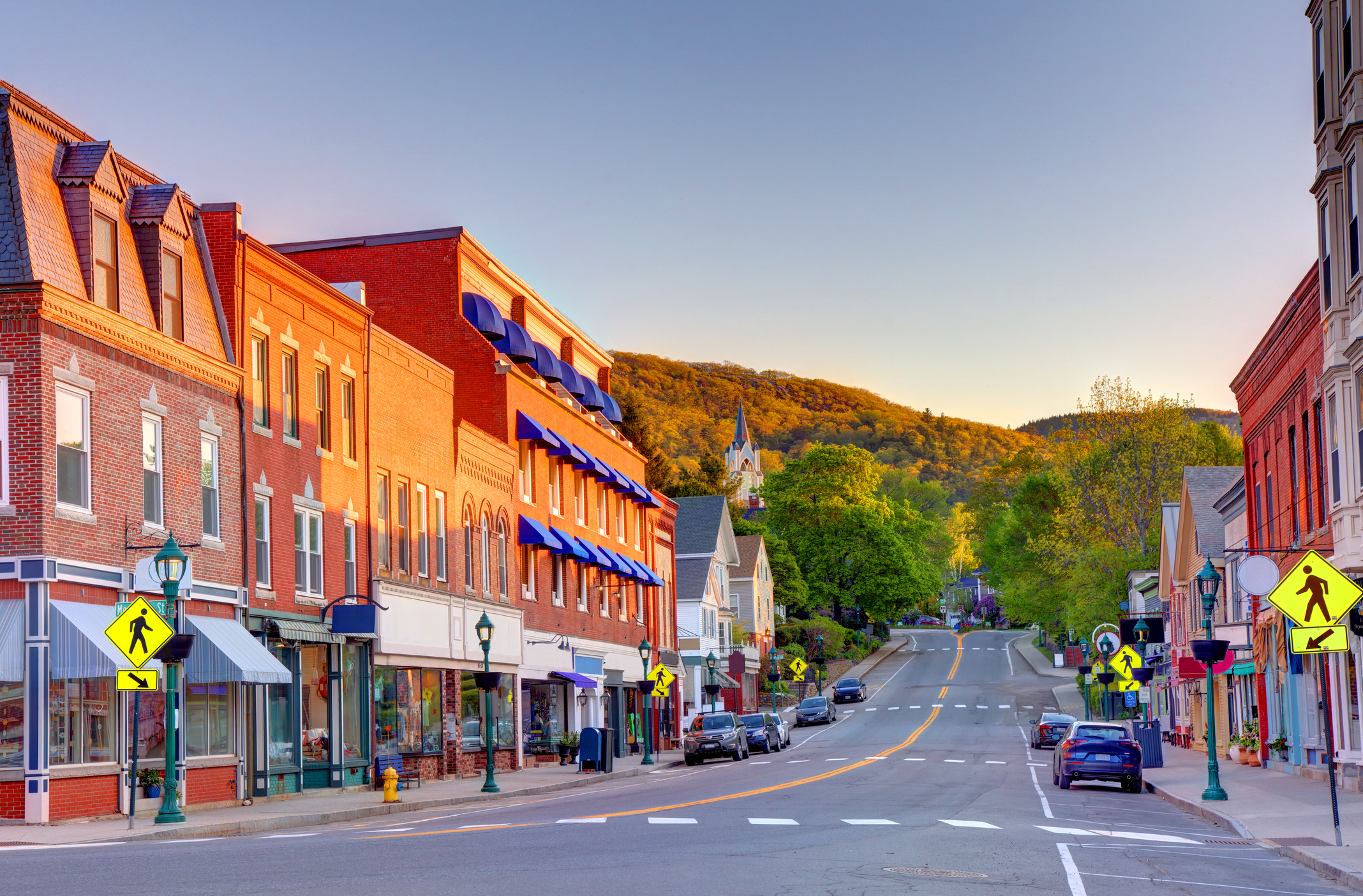
Camden is often counted among Maine’s best towns, thanks to its harbor views, mountain scenery, and lively downtown.
Maine may look small on the map but it packs a variety of lifestyles into one state. Coastal towns feel nothing like the inland valleys, and the college towns run on a different clock than the fishing villages.
If you’re thinking about where to live in Maine, this guide breaks down the towns and cities worth a closer look and what the lifestyle looks like in each one.
Explore Maine homes for sale with Today Real Estate
TABLE OF CONTENTS
- Portland: For city life without leaving the Maine coast
- Scarborough and Falmouth: More breathing room near Portland
- Kennebunk and Kennebunkport: Life on the Southern Maine coast
- Brunswick: College-town energy meets the Midcoast
- Camden and Belfast: Two different takes on Midcoast Maine
- Bar Harbor: Living at Acadia’s doorstep
- Bangor and Augusta: For practical inland city living
- How to narrow down the best place to live in Maine
- Frequently asked questions about Maine
- Find the right place to call home in Maine
Portland: For city life without leaving the Maine coast
Portland offers a lot within a relatively small footprint. Its peninsula is only about three miles long, but it breaks down into charming pockets that range from the cobblestone streets and working waterfront of the Old Port to the Victorian homes of the West End.
You can grab dinner on Congress Street, walk along Casco Bay at the 68-acre Eastern Promenade, or catch a year-round ferry from downtown to one of the Casco Bay islands. Portland is also home to the Portland Museum of Art and the Portland Sea Dogs at Hadlock Field.
Learn more about Maine’s coastal lifestyle here.
Scarborough and Falmouth: More breathing room near Portland
Living close to Portland doesn’t have to mean giving up space, beaches, or a quieter neighborhood. Scarborough and Falmouth sit on opposite sides of the city and each offers its own take on suburban coastal living.
Scarborough is about seven miles south of Portland and spreads across more than 50 square miles. Its landscape shifts from residential neighborhoods and old farmland to forests, marshland, and the coast. The town also has an extensive trail network, including a section of the Eastern Trail.
Falmouth sits just north of Portland and leans more heavily into Casco Bay. At Falmouth Town Landing, residents can launch a boat, kayak, fish, swim, or look out over one of Maine’s largest recreational mooring fields.
Kennebunk and Kennebunkport: Life on the Southern Maine coast
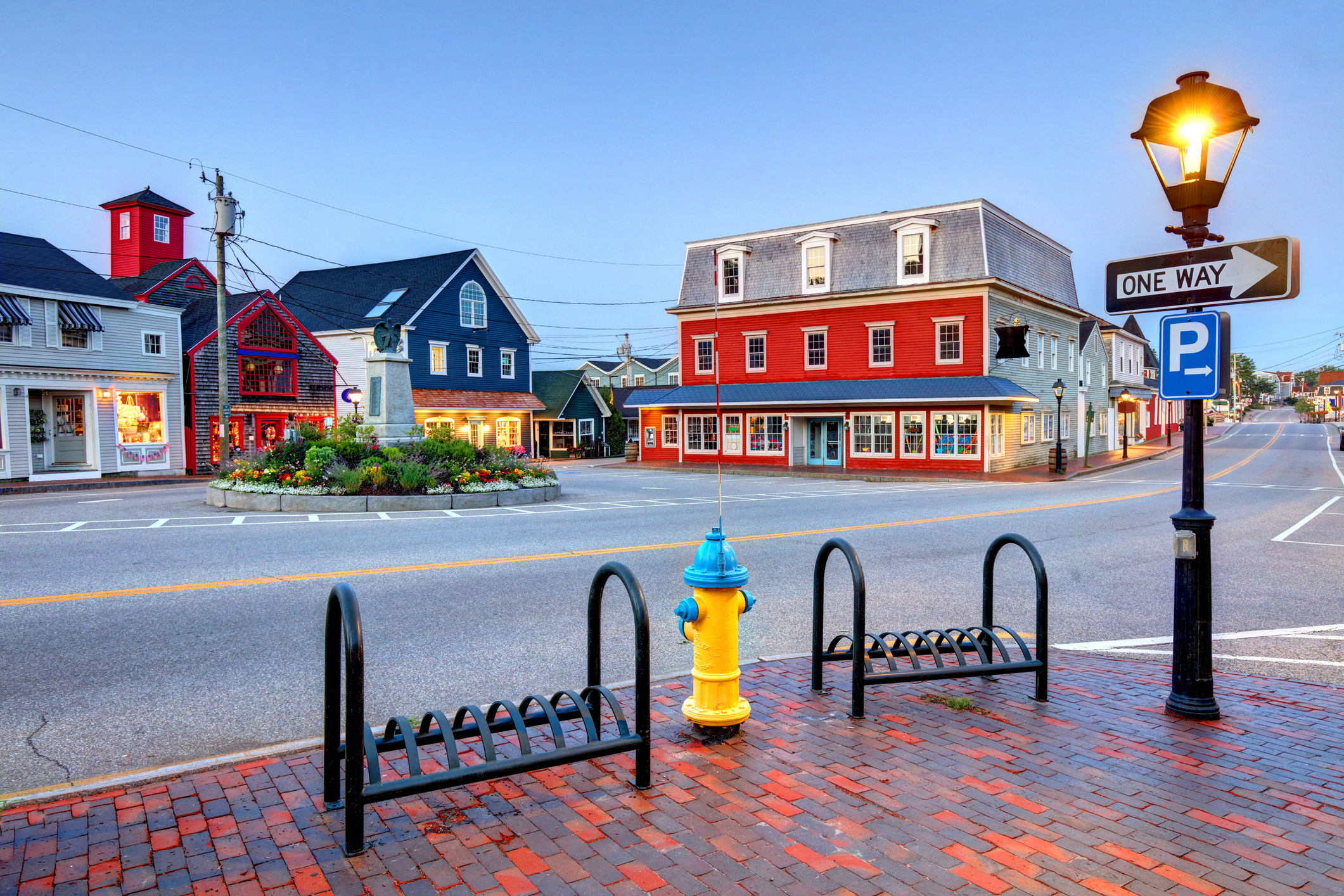
Dock Square brings shops, restaurants, and harbor activity together in the center of Kennebunkport
Kennebunk and Kennebunkport are often spoken about together, but they aren’t the same place. In fact, crossing the bridge over the Kennebunk River takes someone from Kennebunk’s Lower Village straight into Dock Square, the busy center of Kennebunkport.
Kennebunk has its own downtown, a lively Lower Village, and three town-owned beaches along Beach Avenue: Gooch’s, Middle, and Mother’s. The beaches are connected by sidewalks, making this stretch of the coast popular for walking and running as well as swimming and surfing.
Across the river, Kennebunkport has the better-known resort identity. Dock Square packs restaurants, boutiques, galleries, and harbor activity into a small area, but the town changes character farther out. Cape Porpoise still centers on a working harbor, while Goose Rocks Beach runs for about three miles along the coast.
Brunswick: College-town energy meets the Midcoast
Brunswick has the energy of a college town but it doesn’t feel like a place built only around the college. Bowdoin College, founded in 1794, sits right near downtown where Maine Street runs past restaurants, shops, galleries, and the grassy Town Mall.
The downtown area is compact enough to get around on foot and Brunswick has something many Maine towns its size don’t: a train station right in the middle of it. The Amtrak Downeaster’s Brunswick station is within a quarter mile of Maine Street and Bowdoin, with five daily round trips between Brunswick and Boston. Portland is roughly a 45- to 50-minute train ride away.
Camden and Belfast: Two different takes on Midcoast Maine
Camden has one of those rare Maine settings where the harbor and the mountains are practically side by side. Downtown sits right on Camden Harbor, with restaurants, shops, galleries, and the historic Camden Opera House nearby. Just outside town, Camden Hills State Park has about 30 miles of trails, including the climb to Mount Battie for views over the harbor and Penobscot Bay.
A little farther up the coast, Belfast feels less like a resort town and more like a small city that happens to sit on a working harbor. Its downtown is filled with historic brick buildings, locally owned shops, restaurants, galleries, and older sea-captain homes on the surrounding streets.
Bar Harbor: Living at Acadia’s doorstep
In Bar Harbor, Acadia National Park isn’t something residents have to plan a weekend around because it’s practically part of the neighborhood. The park covers much of Mount Desert Island, with more than 150 miles of hiking trails and 45 miles of historic carriage roads for walking, cycling, and horseback riding.
The town itself is compact and easy to explore on foot. Main Street and the streets around the Village Green are lined with restaurants, shops, and galleries. Summer, however, changes the pace of the town. Bar Harbor is the main gateway to one of the country’s most-visited national parks, so traffic, parking, restaurants, and downtown streets get much busier during peak season.
Bangor and Augusta: For practical inland city living
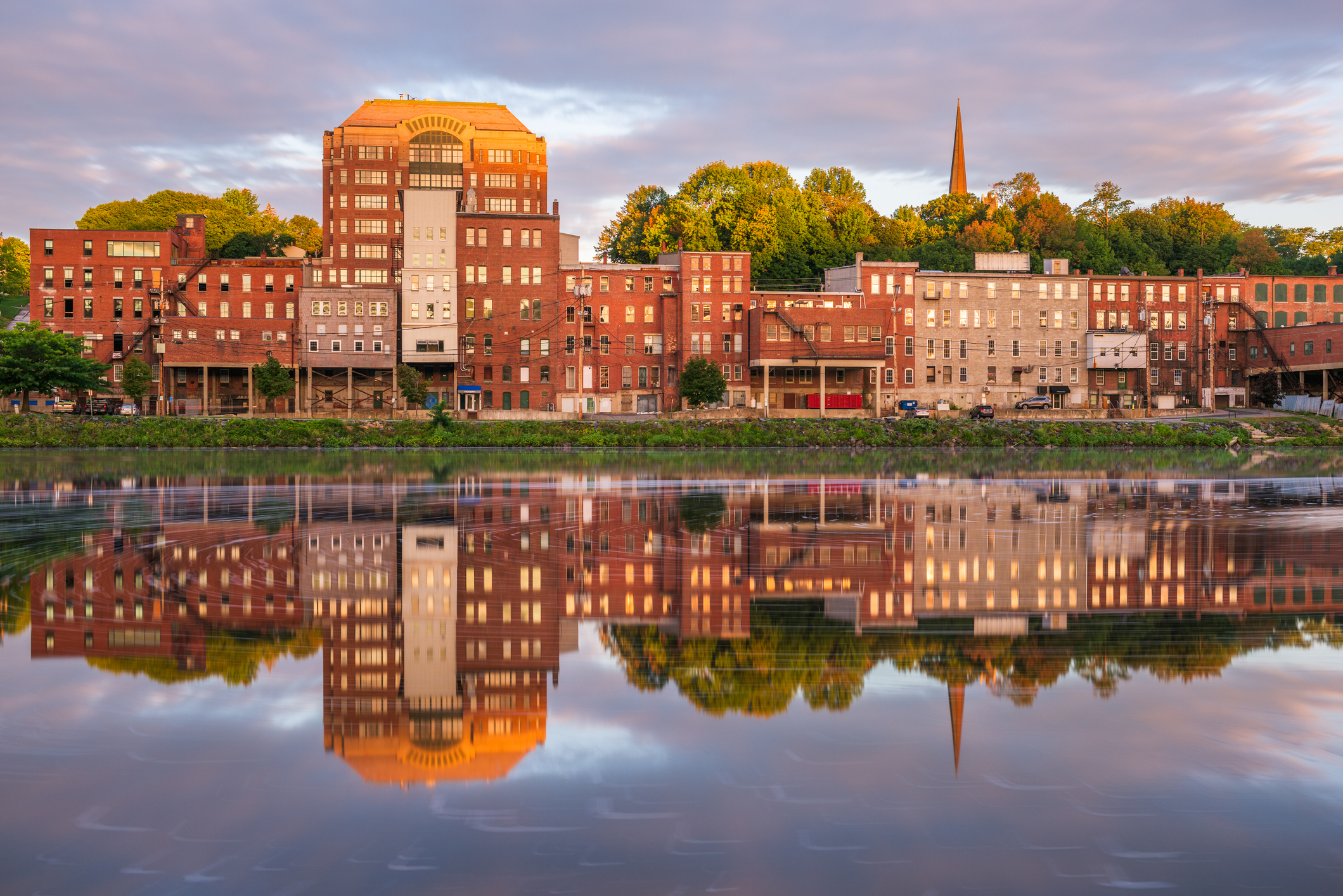
Set along the Kennebec River, Augusta offers a quieter take on city living in Central Maine.
Bangor sits on the Penobscot River and has long served as a center for northern and eastern Maine. Its waterfront is right next to downtown, where restaurants, shops, museums, and other local businesses are within walking distance. Bangor International Airport is also only about a 10-minute drive from the waterfront.
There’s plenty of Maine outdoors here, too. The 680-acre Bangor City Forest has more than nine miles of trails for hiking, running, mountain biking, cross-country skiing, and snowshoeing.
Augusta offers another inland option. As Maine’s capital, it’s a center for state government as well as healthcare, education, and commerce in Central Maine. The Kennebec River runs through the city, and its historic downtown and waterfront trail add recreation without making tourism the center of daily life.
How to narrow down the best place to live in Maine
A list can help narrow the field, but the real decision comes down to what everyday life looks like once someone gets there. Once a few communities stand out, it helps to compare them beyond the things that look good on a weekend visit.
- Test the daily routine. Drive the route to work, check how far the grocery store is, healthcare providers, and other essentials really are, and see how much time would be spent in the car.
- Look beyond the town center. Housing can change from one part of a community to another. Compare home styles, lot sizes, road access, property taxes, and how much maintenance comes with the types of properties you’re considering.
- Come back in another season if possible. Maine in July can make almost anywhere look like the right choice. Maine in January gives buyers a much better read on winter driving, snow removal, heating, daylight, and what the community feels like when tourism slows down.
- Lean on someone who knows the local markets. Online rankings can help narrow the list, but they won’t tell someone how one neighborhood compares with another. A Maine real estate agent can help put those differences into context and point out things that may not be obvious from listings alone.
FAQsWhat is the best place to live in Maine year-round? There isn’t one town that’s best for everyone. Portland, Brunswick, Belfast, Bangor, and Augusta all support year-round living but offer very different settings. The better choice depends on how much you value city amenities, coastal access, walkability, space, and proximity to everyday services. Where should someone live in Maine if they want to be near Portland? Portland itself offers the most urban experience, but Scarborough and Falmouth are strong alternatives for buyers who want to stay near the city while living in a more suburban or residential setting. Scarborough sits south of Portland with beaches and extensive recreation, while Falmouth lies just north along Casco Bay. What are some of the best coastal towns to live in Maine? Kennebunk, Kennebunkport, Camden, Belfast, and Bar Harbor are all worth exploring, but they shouldn’t be treated as interchangeable. Southern Maine offers easier access toward Portland and New Hampshire, the Midcoast has communities such as Camden and Belfast, and Bar Harbor provides direct access to Mount Desert Island and Acadia. |
Find the right place to call home in Maine
Whether you’re comparing the Greater Portland communities, Midcoast towns, inland cities, or homes closer to Maine’s lakes and mountains, TODAY Real Estate’s agents can help narrow the search and find the best town in Maine for you.
Ready to explore Maine communities? Email us or send a message to get started.