


Marblehead combines historic homes, harbor views, and a strong boating culture along the North Shore.
The North Shore in Massachusetts has long attracted buyers with its beaches, historic homes, harbor towns, and unmistakable New England character. But the region offers much more than a beautiful coastline. Its coastal communities near Boston include walkable downtowns, commuter-friendly cities, quiet residential neighborhoods, and places where boating, hiking, and time by the water are part of the local routine.
For buyers, that makes the North Shore less about choosing a place with an ocean view and more about finding the right combination of home, location, commute, and lifestyle.
Here’s what to expect before starting the search.
Table of Contents
- First, decide what “coastal” means to you
- North Shore homes come with plenty of character
- A water view doesn’t always come with water access
- Flooding and insurance should be checked early
- Coastal homes may need more upkeep
- What does year-round coastal living look like?
- FAQs
- Explore Massachusetts’ coastal lifestyle with TODAY Real Estate
First, decide what “coastal” means to you
Living on the North Shore doesn’t have to mean living right on the ocean. The North Shore is home to coastal communities that offer very different ways to live near the water, from harbor towns and working waterfronts to beach neighborhoods, riverfront areas, and homes near salt marshes.
There are several ways to be close to the water in North Shore:
- Marblehead: Harbor life is a big part of the town’s identity, with marinas, sailing, historic streets, and waterfront views woven into the community.
- Gloucester: Known for its working waterfront and deep maritime roots, Gloucester pairs its fishing heritage with beaches, galleries, seafood spots, and neighborhoods that range from lively downtown streets to quieter coves and waterfront areas.
- Newburyport: Set along the Merrimack River, Newburyport combines coastal access with one of the North Shore’s most walkable downtowns. Shops, restaurants, historic architecture, and waterfront parks make it easy to enjoy the area without spending the whole day driving.
- Ipswich: Salt marshes, conservation land, and access to Crane Beach give this community a softer, more natural coastal feel. Its historic center and more rural surroundings add to the slower pace.
- Plum Island: Dunes, beach roads, and open Atlantic water create a more exposed coastal setting here. The area feels quieter and more beach-oriented, with homes ranging from seasonal cottages to year-round residences near the water.
To make the search easier, think about how close to the water you want to be. Would you rather walk to the beach, live near a harbor, or have a water view? Or would a home a few miles inland work just as well? Knowing the difference can help you focus on the communities and properties that actually fit what you have in mind.
Learn more about living and real estate in Greater Boston and the North Shore here.
North Shore homes come with plenty of character
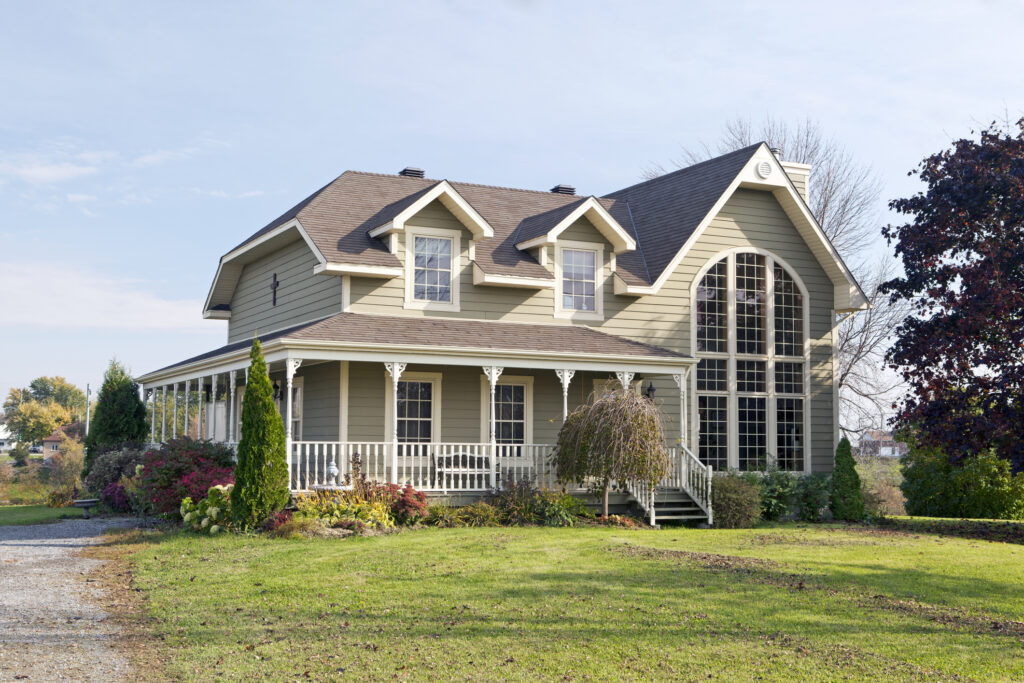
The homes in North Shore offer plenty of architectural variety, from Colonials and Federal style homes to cottages and contemporary new builds.
North Shore, Massachusetts real estate has a lot of variety and much of it reflects the region’s history. Depending on the town, buyers may come across antique Colonials and Federal-style homes on older streets, along with coastal cottages, condos, multifamily properties, and newer construction in other parts of the region.
At the higher end of the market, North Shore luxury homes range from restored historic properties to waterfront estates and newer homes designed around coastal views.
Older homes can be especially appealing because of their craftsmanship and original details. But age also makes it important to ask what’s been updated over the years. A beautiful historic home may have plenty of character, but buyers should understand the condition of the major systems and any work that may still need to be done.
A water view doesn’t always come with water access
A home can be close to the beach, harbor, river, or marsh without giving the owner direct access to the water. Buyers should check exactly what comes with the property. Some homes include deeded beach access or rights to a shared dock, while others rely on nearby public beaches, boat launches, or kayak access. Anyone hoping to keep a boat nearby should also look into local mooring rules and availability.
Parking can be another issue, especially in busy beach areas during the summer. A home may be only a short distance from the water, but getting there with beach gear, children, or guests can be less convenient than it first appears.
Flooding and insurance should be checked early
Buying near the water comes with a few things buyers may not deal with farther inland. Flooding is one of them. FEMA flood maps can show whether a property falls within a mapped flood zone, but buyers should also ask about the home itself. Has water ever entered the basement or first floor? Has the property had storm damage? Have drainage or flood-prevention improvements been made?
Insurance is another cost worth checking early. Standard homeowners policies usually don’t cover flooding and some properties may require separate flood insurance, especially when a mortgage is involved. Before making a final decision, get an insurance quote for the actual property rather than assuming the cost will be similar to another house nearby.
Coastal homes may need more upkeep
Anyone who has spent time near the ocean knows what salt air can do to cars, railings, outdoor furniture, and anything metal. Homes near the water deal with that same exposure. Metal fixtures may corrode faster and exterior paint can need more frequent attention.
During a showing, pay attention to the condition of the home’s exterior. Ask when the roof, windows, siding, or deck were last repaired or replaced, and whether the owners have had issues with moisture or storm damage.
What does year-round coastal living look like?
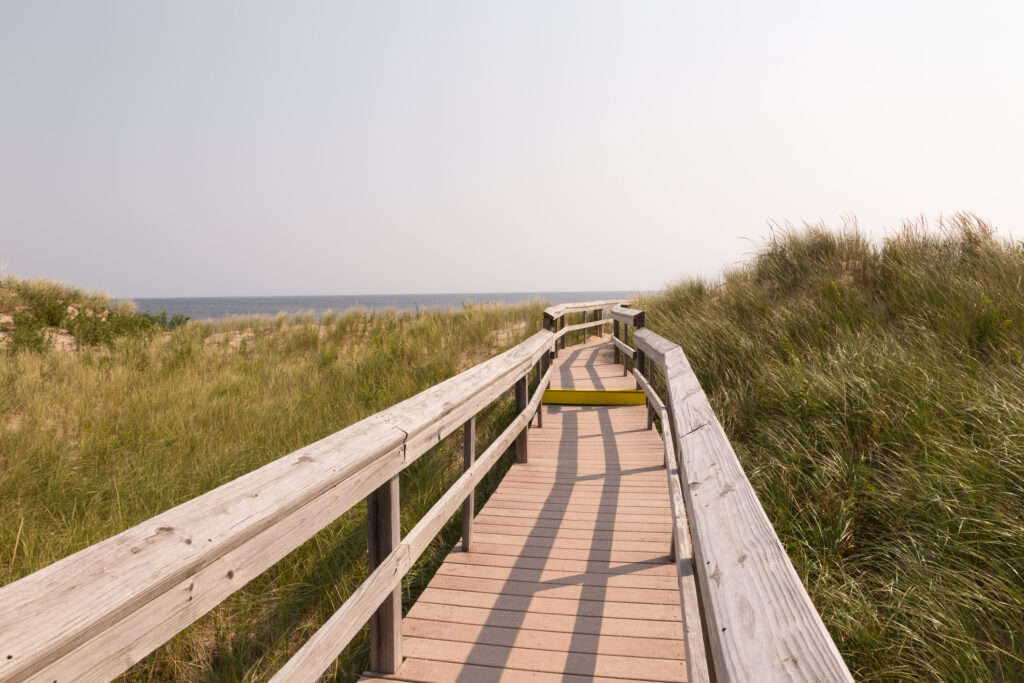
Parker River National Wildlife Refuge on Plum Island shows the quieter side of North Shore coastal living.
Summer brings more traffic, fuller parking lots, and busier beaches across the North Shore, especially in popular coastal areas. Once the season winds down, the pace changes but the region doesn’t shut down.
Salem, Beverly, Gloucester, and Newburyport all have restaurants, shops, cultural venues, and downtown areas that stay active throughout the year. Commuter rail access also keeps several North Shore communities connected to Boston, which can be useful for buyers who still need to travel into the city for work.
Winter is quieter, especially in beach-focused neighborhoods. The weather can also make coastal living feel very different from July or August. For buyers, it’s important to see a community in more than one season. A busy summer weekend and a cold weekday in January can give two very different impressions of what living here is actually like.
FAQsAre condos a good option for buyers who want to live near the coast? They can be. Buyers who want North Shore access without the upkeep of a larger single-family home may find condos in communities such as Salem, Beverly, Gloucester, and Newburyport. Some are in converted historic buildings, while others are newer developments. Do historic districts affect what you can change about a home? Sometimes. Parts of several North Shore communities have historic districts or preservation rules that may affect exterior changes. The rules vary by town and property, so if you’re buying an older home and already have renovation plans, check what approvals may be required before you commit. How much can property taxes vary across the North Shore? Tax rates, assessed values, and local services differ from one municipality to another, which means two similarly priced homes can come with different annual tax bills. Can you live on the North Shore without relying on a car every day? That depends on the town and neighborhood. Some areas have walkable downtowns, commuter rail access, restaurants, shops, and daily services close together. Other coastal neighborhoods are much more car-dependent. |
Explore Massachusetts’ coastal lifestyle with TODAY Real Estate
Living on the North Shore offers beaches, harbors, historic neighborhoods, and easy access to the water, but coastal homes can also come with added maintenance and extra costs.
For buyers, knowing what to look for before making an offer can make the process much easier. TODAY Real Estate can help buyers understand those details, compare North Shore properties, and find a home that fits both the Massachusetts coastal lifestyle they want and the practical side of owning near the water.
Get in touch with Craig Machnik and the TODAY Real Estate team via email or visit our contact page.