


Springfield is an incredible city that brings together history, culture, and the energy of urban Western Massachusetts.
Western Massachusetts isn’t just one place. Northampton has its bookstores and coffee shops. Longmeadow has quiet, tree-lined streets. Lenox has Berkshire mountain views from a porch. And Springfield moves at its own pace.
This diverse region covers a lot of ground and these seven Western Massachusetts communities show how different life here can be.
Learn more about Western Massachusetts living and real estate here.
Table of Contents:
Springfield
Springfield brings an urban dimension to Western Massachusetts, something people miss when they picture the region as college towns and Berkshire villages.
The city has a variety of neighborhoods, commercial districts, and employers. It also has Forest Park, a wide green space right in the city, and the Springfield Museums at the Quadrangle, home to the Amazing World of Dr. Seuss Museum. Springfield is the birthplace of basketball, and the Naismith Memorial Basketball Hall of Fame sits right downtown. Interstate 91 puts the rest of the region within easy reach.
Springfield works for buyers who want walkable restaurants, a short commute, and a hospital nearby without giving up access to the rest of Western Massachusetts. Drive twenty minutes and you’re in farmland, hiking trails, or a small downtown.
The housing follows the same pattern. Compact single-family homes and two- and three-family properties sit a few blocks from larger houses on tree-lined residential streets.
Longmeadow
Drive south from Springfield and the atmosphere changes quickly. Longmeadow has the feel of an established residential community, with mature streetscapes, older homes, neighborhood parks, and a traditional town center.
For people who like being near a city without necessarily living in the middle of one, the location is a major part of the appeal. Springfield is close by and Connecticut is just to the south. This makes Longmeadow a fit for households whose work or family routines cross state lines or run through the greater Springfield area.
Many of Longmeadow’s streets feel settled rather than newly built. Longmeadow Street shows it best. As the town’s main road, it runs through the center and is lined with Colonial-era homes that have stood for generations.
Northampton

Northampton is one of Western Massachusetts’ most vibrant communities.
Northampton is the kind of place where a quick trip downtown can easily stretch into an entire afternoon. Coffee turns into browsing a shop, which turns into lunch, which turns into a gallery or live music later on. The city has built its identity around a downtown packed with restaurants, galleries, and theaters, and an Arts and Culture Department that keeps a steady calendar of events running.
Smith College sits close to downtown, and its lectures, performances, and museums are part of daily life here, not separate from it. The housing has just as much personality. Northampton’s older residential neighborhoods include Victorian-era homes alongside Italianate, Second Empire, Queen Anne, and Colonial Revival architecture, particularly around some of the city’s historic districts.
For someone who wants to walk out the door into coffee shops, culture, and community life, Northampton is worth a closer look. The surrounding Pioneer Valley keeps farmland and open space within easy reach as well, so the energy doesn’t come at the cost of quiet when you want it.
Amherst
Northampton and Amherst often get lumped together in conversation but living in these two towns doesn’t feel the same.
College life is a major part of Amherst’s identity. UMass Amherst, the flagship of the state university system, is found right here, along with Amherst College, while the Five College Consortium connects the town to other campuses across the Pioneer Valley. That academic presence spills into everyday life through lectures, performances, public programs, bookstores, and cafes, along with the constant movement of a community where students, faculty, longtime residents, and visitors regularly cross paths.
Trees and green spaces are also woven into the town’s identity, with the town tracing much of its present landscape to early planning and horticultural work connected to Amherst College and what would later become UMass Amherst.
Easthampton
Easthampton runs on a different kind of energy than its neighbors. Old mill buildings still shape the skyline, but studios, galleries, and public art have moved into that industrial shell. Easthampton City Arts runs local programming while the city’s Art Walk draws people downtown on a regular basis.
The businesses here are independent, not chain storefronts stamped out to match a formula. The Connecticut River Valley also surrounds the city, so trails and open water aren’t far from downtown either.
Much of Easthampton’s housing stock is older, with single-family and multifamily homes near the city’s historic core along with more conventional residential neighborhoods and condos.
Lenox
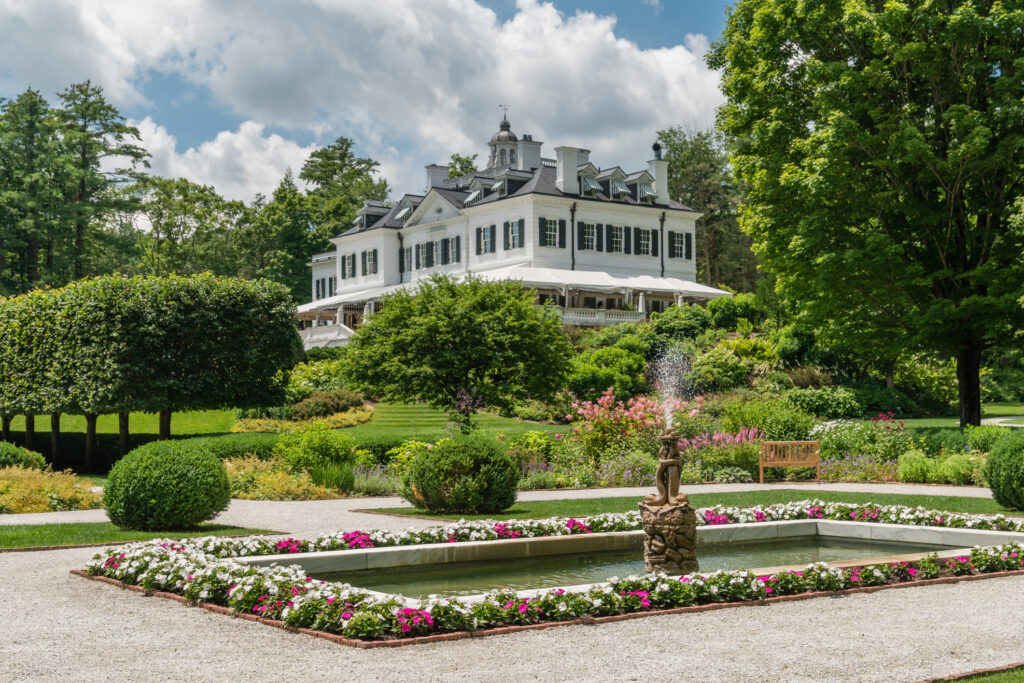
The Mount, Edith Wharton’s former Lenox home, offers a striking glimpse into the Berkshires’ Gilded Age past.
Best known as the summer home of the Boston Symphony Orchestra at Tanglewood, Lenox has long attracted people who appreciate music, the arts, history, and the natural beauty of the Berkshires. Galleries, historic sites, and restaurants fill its cultural district, giving downtown Lenox a vibrant atmosphere while preserving its intimate, small-town feel.
The Mount (Edith Wharton’s former home) and Ventfort Hall (a Gilded Age estate) are both minutes from downtown—iconic landmarks from when the Berkshires was a popular retreat for the wealthy. Downtown Lenox is compact enough for an afternoon spent browsing shops, stopping for lunch, or simply walking its historic streets.
Lenox’s real estate market reflects its history as a Berkshire retreat. Along with traditional New England homes and condos, the area is known for larger country properties and surviving Berkshire “cottages”, the grand summer estates built here during the Gilded Age.
Great Barrington
By the time you reach Great Barrington, Western Massachusetts feels different again. The Southern Berkshires bring mountains, farms, and a significant distance from the busier Pioneer Valley. Great Barrington sits comfortably within that landscape while offering a walkable downtown filled with theaters, galleries, historic buildings, restaurants, and independent shops that invite you to slow down and explore.
In Great Barrington, it’s easy to imagine weekends built around a farmers market, a hike, dinner downtown, or a performance at the Mahaiwe Performing Arts Center. More than a scenic getaway, Great Barrington is a year-round community where everyday life feels connected to both the landscape and the town around it.
Historic houses are part of the Great Barrington’s real estate landscape, but newer and more contemporary homes are mixed in as well.
FAQsWhat types of homes can buyers find in Western Massachusetts? Depending on where you look, you may find historic New England homes, traditional suburban properties, condos, renovated mill buildings, larger rural properties, and homes tucked into the Berkshire landscape. Does Western Massachusetts also appeal to seasonal residents and second-home owners? Yes. While many people make Western Massachusetts their year-round home, parts of the region—particularly the Berkshires—have long attracted second-home owners and seasonal residents. Is Western Massachusetts a good option for buyers who want access to nature? Absolutely. Outdoor access is one of the region’s defining features, although it varies by location. Communities in the Pioneer Valley offer easy connections to trails, parks, and open landscapes, while towns in the Berkshires put hiking, forests, and mountain scenery even closer to daily life. What should buyers consider when choosing where to live in Western Massachusetts? Think beyond the house itself and consider what you want living there to feel like. Walkability, commute needs, outdoor access, proximity to restaurants and entertainment, lot size, housing style, and the pace of the community can all make a difference. |
Which Western Massachusetts lifestyle fits you best?
Living in Western Massachusetts comes down to finding the town that actually fits how you want to spend your days, whether that’s a downtown you can walk to or a porch with mountain views. With deep roots across the region, our Western Massachusetts real estate agents at TODAY Real Estate bring the local insight and market knowledge you need to find the right community, not just the right house.
If you’re ready to start looking, connect with Craig Machnik and the team via email or visit our contact page to find the best place to live in Western Massachusetts.